
Kydex versus Leather Holsters

There has been an ongoing debate for years as to what makes the best holsters, is it kydex, or is it leather? The intent of this article is to give you facts about each and help you reach your own conclusion as to what you want to carry, because ultimately, it comes down to personal preference. Here we will outline the pros and cons of both to give you the best information for your decision.

What is Kydex?

The Technical: 

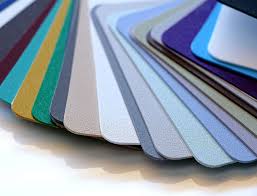
It is an acrylic-polyvinyl chloride composite engineered for thermoforming fabrication, and combines properties of both the acrylic and the polyvinyl chloride components. From acrylic, it obtains rigidity and formability; from PVC, toughness, chemical resistance and good interior finish ratings. Sheet thickness ranges from .029 to .500 inches (0.74 to 12.70 mm) and can be thermoformed, post formed, brake formed and laminated.

What That Means: 

In a nutshell, Kydex is a hard, thin plastic that can be heated up and molded to the pistol shape. 

Pros

  • Waterproof
  • Scratch Resistant
  • Lower Friction
  • Holds shape
  • Will not stretch or shrink under normal conditions
  • Retains firearm well
  • Can have locks incorporated in holster
  • Very affordable

Cons

  • Kydex will wear the finish of your firearm
  • Kydex will scratch your firearm
  • The screws will work themselves loose
  • It will stay the same (causing discomfort)
  • The plastic can cause discomfort for people with a bit extra weight.
  • Sand and debris can stick to the kydex via static.
  • Kydex can be very bulky

What is Leather?

The Technical: 

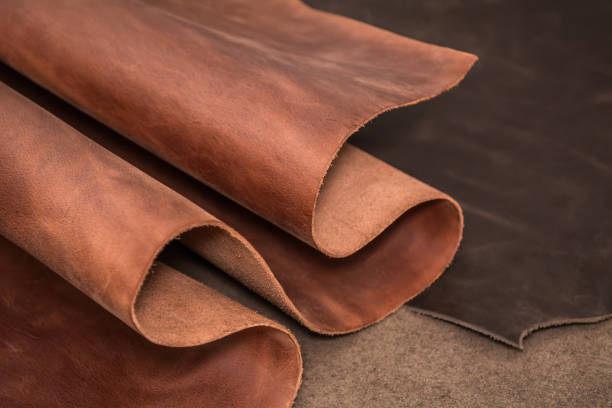
Leather is a strong, flexible and durable material obtained from the tanning, or chemical treatment, of animal skins and hides to prevent decay. The most common leathers come from cattle, sheep, goats, equine animals, buffalo, pigs and hogs, and aquatic animals such as seals and alligators. Leather can be used to make a variety of items, including clothing, footwear, handbags, furniture, tools and sports equipment, and lasts for decades. Leather making has been practiced for more than 7,000 years. 

What That Means: 

In layman's terms, Leather is an eco friendly, easily renewable sourced material that has been used for millennia. 

Pros

  • Undisputed comfort for daily carry
  • Protects the firearm well
  • Aesthetically more pleasing
  • Can be molded to the firearm for snug fit.
  • Highly durable
  • Will break in and mold to the firearm and the wearer.
  • Highly customizable
  • More versatility

Cons

  • Typically a higher cost.
  • Depending on the leather and care, may lose retention over time
  • Can absorb moisture
  • If not taken care of can dry out and crack over time
  • Can wear the bluing over time
  • Can shrink with the wrong combination of water and heat.
  • Can get scratched and damaged easier.

In Conclusion

There are many aspects to choosing the right holster for you, and only you can make that decision. It's not uncommon to purchase and test out several holster types and styles. Ultimately the holster you will wear every day will come down to; 1) Comfort, 2) Aesthetics, 3) Functionality as the main points of decision. 

In general, folks that have a bit extra padding and have no trouble hiding a donut or six, will find that leather is a forgiving and comfortable option. The leather will mold not only to the pistol, but to your curves as where kydex will leave you with soars, scrapes and cuts. Trust me, I know! This is especially true for Inside The Waistband (IWB) carry. It's not as prevalent with Outside The Waistband (OWB) carry, but it can be a factor if you don't have a tucked in shirt and wear your shirt over your carry. Any time it rubs against your skin, you will know it. 

A few words on Carry Position

Carry position is also a huge factor when deciding what type of holster you wish to carry. Smaller waisted folks tend to like carrying apex (the 1 o'clock or 11 o'clock position) or right in the front (12 o'clock position). Anyone with a bit of a spare tire, this is not a good option as it will poke and jab your guts to no end. You will hate life carrying, trust me. 

Back carry is another option, but the comfort of this location depends greatly on your vocation. If you're driving a lot or sitting in an office for long periods of time, this may not be your optimal carry location. If you're in a trade where you're on your feet a lot and not sitting, it's a great option. This carry position ranges from the 5 o'clock to the 7 o'clock position. Another thing to consider when carrying in this location is which way the pistol grip is set. Is it up or down? I recommend that you figure out how your hand most naturally and comfortably seeks to find the pistol grip. Is it palm in or out?

Finally, the most common position that folks tend to carry is their hips. This is the 2 to 4 o'clock position for the Right Hand Carry (RHC) or from 8 to 10 o'clock position for the Left Hand Carry (LHC). This position is most common because it allows for easy access to the firearm and offers a more natural draw. 

Shameless Plug:

Regarding how you most comfortably carry your firearm, this is where Legion Leather sets themselves apart. We don't just build a leather holster to fit the pistol, we tailor the holster to you. What that means, is that we look at how you will most naturally draw your pistol. From the ride height on your belt, the cant angle (forward or back), the position on your person and holster style to fit your carry preference. We tailor the holster to put your pistol grip right where your hand expects to find it when you reflexively go to draw.

See Holster Options Here

LegionLeather.com